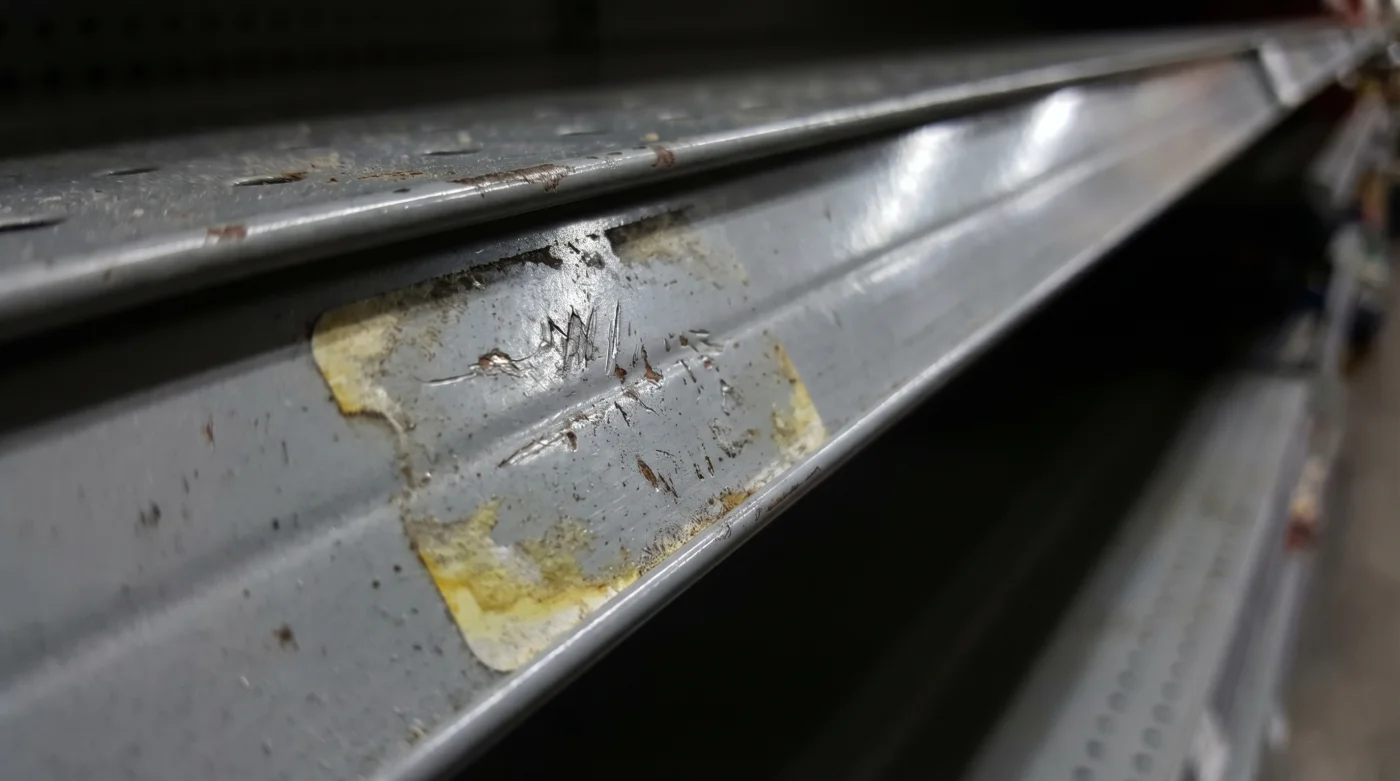
Walk into your local grocery store on a Tuesday evening in late November. The harsh fluorescent lights hit the back of the aisle, illuminating the stark grey metal where your usual brand of olive oil or imported coffee should sit. You run a finger over the cold steel edge, expecting a restock by the weekend. But the gap stays bare.
The silence of missing goods is the first sign of a distant fracture. The absence of everyday items feels intensely personal, yet the origin of this empty space isn’t local. It starts thousands of kilometres away, in a thin sliver of water most of us only ever see on news broadcasts.
The Illusion of the Endless Supply Chain
We tend to view global trade as a massive, unbreakable conveyor belt. You click a button in Toronto or Vancouver, and a box magically appears on your porch a few days later. It feels automatic.
We trust the massive ships moving quietly across the ocean to maintain our modern comforts. The reality is far closer to a single-lane highway during a Canadian snowstorm. When traffic stops in the Hormuz strait—a narrow 33-kilometre-wide stretch of water between Oman and Iran—the ripples hit our shelves weeks later. Tracking these ships is the only reliable way to forecast exactly when your neighbourhood store will run out of basics.
Marcus Taggart, a 42-year-old maritime logistics coordinator based near the Port of Vancouver, watches this bottleneck daily on a bank of monitors. He points to a cluster of blinking orange dots grouped near the Persian Gulf.
Reads the ocean like weather, Marcus notes, tapping a pen against the glass. “People think the ocean is vast and ships can just go around,” he says. “But the Hormuz strait handles a massive volume of container traffic and oil. A delay of three days there means missing components in factories in Ontario a month later.” Marcus treats vessel tracking as a vital early warning system.
Tracing the Missing Cargo: What Hits When
A blockade or severe delay in the Hormuz strait doesn’t clear the shelves all at once. The delay moves in waves, depending on what exactly is sitting in those stalled steel boxes baking under the Middle Eastern sun.
For the Automotive and Tech Buyer
Your dealership delays your order because a specific wire harness never arrived. Parts come first. Plastics, petroleum derivatives, and micro-components sit idle on anchored vessels. The electronics you ordered for the home office are pushed back by months, completely altering your renovation timeline.
For the Home Renovator
Building materials, specialized paints, and hardware imported through these routes dry up next. Suddenly, finding specific fixtures becomes a weekend-long chore across multiple towns.
A single container ship anchors to avoid regional conflict, and the cost of a bathroom remodel jumps 15 percent. Contractors are left waiting for raw materials, pushing back projects straight into the winter freeze.
For the Pantry Stocker
Food security feels the pinch last, but the hardest. Fertilizers reliant on petroleum derivatives stall, pushing up local farming costs.
Specialty imports quietly vanish first from the local markets. Spices, teas, preserved goods, and specific cooking oils become incredibly difficult to source, leaving you staring at those empty metal shelves.
The Mindful Application: Reading the Ocean from Home
You do not need a logistics degree to spot the gaps before they arrive. By paying attention to maritime traffic, you can adjust your purchasing habits without panic.
It should feel entirely manageable to build a buffer. Here is the raw checklist for tracking the flow of goods:
- Bookmark maritime maps: Sites like MarineTraffic allow you to filter by vessel type. Look for red traffic clusters around the Persian Gulf.
- Watch the crude index: If oil prices spike due to Hormuz strait tensions, container surcharges follow closely behind.
- Audit your imported basics: Identify which of your daily items travel from Asia or the Middle East.
- Buy three months out: If a blockade hits the news today, secure your specialty goods for the coming season immediately.
This is not about stockpiling in fear. It is simply about maintaining a comfortable buffer for your household when the international supply chain inevitably stumbles.
Redefining Our Connection to the World
Watching a tiny digital boat inch across a screen changes how you value the objects in your hands. A simple jar of imported jam or a replacement car part suddenly carries the heavy weight of the miles it traveled.
You see the fragile mechanics operating quietly behind the scenes. By understanding the vulnerability of the Hormuz strait, you strip away the anxiety of unexplained shortages.
And when you next walk down that grocery aisle and see an empty space, you will not feel frustration. You will simply know exactly where that missing box is sitting, out on the water, waiting for the tide to turn.
“The global supply chain isn’t an unbreakable web; in many places, it’s just a single, fragile string.” – Marcus Taggart
| Key Point | Detail | Added Value for the Reader |
|---|---|---|
| Identify Bottlenecks | Monitor the 33km Hormuz strait for stopped cargo traffic. | Predict shelf shortages weeks before local news reports them. |
| Audit Daily Goods | Check labels for origin countries relying on Middle Eastern routes. | Know exactly which household staples to buffer first. |
| The 90-Day Rule | Secure an extra three-month supply of hard-to-find imports upon hearing of delays. | Maintain peace of mind while others scramble during restock lapses. |
Frequently Asked Questions
Why does the Hormuz strait affect Canadian goods?
Many products and raw materials manufactured in Asia and the Middle East pass through this vital shipping lane before reaching ports in Vancouver or Halifax.How can I track these ships myself?
Publicly available websites like MarineTraffic provide live maps of commercial vessels using their automated identification systems.Which products will disappear first?
Electronics, automotive parts, and specialized petroleum-based materials usually show delays before food staples do.Do blockades raise prices on domestic items?
Yes. When global oil shipments are delayed, fuel costs rise, making the domestic trucking of local goods more expensive.How long do store shortages usually last?
Depending on the length of the blockade, the backlog can take anywhere from a few weeks to several months to fully clear from local shelves.