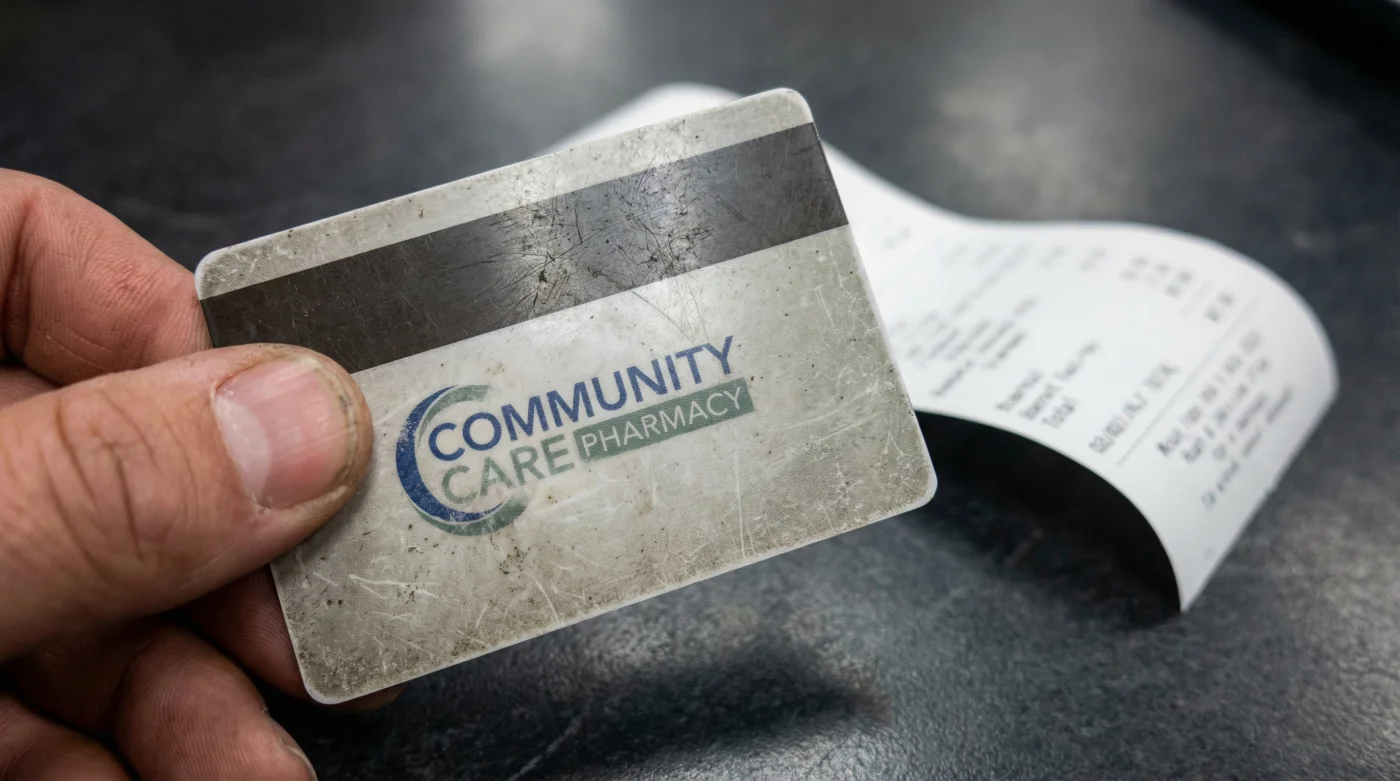
You stand in the bright, clinical light of the pharmacy aisle, the quiet hum of the refrigerators vibrating through the linoleum floor. Outside, the early spring wind whips across a half-empty parking lot, holding the last stubborn chill of zero degrees Celsius, but in here, everything is temperature-controlled and predictable. You hold a small paper bag carrying a monthly prescription, your phone already out, thumb hovering over the PC Optimum application.
The familiar barcode scanner chirps its cheerful, high-pitched confirmation. For years, this routine was a comforting transaction, a subtle exchange where the money you had to spend on necessary medication quietly padded your digital wallet for a future treat. A free bag of coffee, a heavily discounted holiday gift, or a way to offset the rising cost of groceries at the centre of town.
But this year, the math feels entirely different. You check your digital balance, expecting the familiar bump, only to find the numbers barely creeping upward. It is a feeling like reaching for a step in the dark that simply is not there, a sudden realization that the ground rules have shifted while you were busy living your life.
The quiet industry pivot has already taken root across the country. Loblaws has recalibrated the architecture of its rewards program for 2024, deliberately restricting the value generated at the pharmacy counter. It directly contradicts the long-held consumer assumption that retail rewards only ever expand.
The Perspective Shift: From Expansion to the Tightening Valve
We are heavily conditioned to view point systems as a balloon slowly filling with air. Every tap, every swipe, every necessary purchase adds a puff of breath. We assume the corporation wants to hand out more, to keep us tethered to their ecosystem through sheer volume and perceived generosity.
But loyalty is a valve, and right now, that valve is being deliberately tightened. This subtle policy shift drastically reduces the point value for pharmacy purchases, fundamentally altering how Canadians offset their daily bills. What was once seen as a generous reward for health maintenance is now being treated as a strict liability on a corporate balance sheet. The flaw in our previous thinking was assuming the company viewed medication the same way they view a promotional bag of chips.
Ask Clara, a forty-two-year-old pharmacist running a busy dispensary in a bustling Mississauga shopping centre. She noticed the change in the receipt tape before any of her regular patients did. “People were buying hundreds of dollars in specialized treatments, expecting their usual windfall to buy their weekend groceries,” she noted, warming her hands around a lukewarm coffee in the back breakroom. “I had to start explaining that the system had drawn a hard line between health necessities and general retail spending. The sudden look of realization on their faces was always palpable.”
Adjusting Your Strategy: The Consumer Segmentation
Not all shopping carts are equal in this newly drawn landscape. Understanding how this sudden reduction impacts your specific household requires a close look at your weekly spending habits.
For the Chronic Care Manager
If you manage medications for a family or an aging parent, your accumulation was likely predictable and highly substantial. You leaned on those returns to soften the blow of inflation at the checkout lane. Now, treating the pharmacy desk as a primary generator will leave your digital wallet stagnant. You have to separate your medical budget from your grocery strategy entirely.
For the Strategic Hoarder
Waiting for redemption events used to be the hallmark of a savvy Canadian shopper. You would hoard balances to double their value during specific weekend promotions. The reduction at the counter means the timeline to reach those lucrative tiers has effectively doubled. The strategy remains valid, but the patience required has shifted from weeks to several months.
For the Grocery Synthesizer
You are the shopper who relies on drugstore purchases to buy fresh produce later. The connection between your cough syrup and your weekly apples has been severed. Your focus must now shift to the aisles holding non-regulated items, where the multiplier effect still functions normally.
Mindful Application: Rebuilding Your Routine
You cannot force a system to behave the way it used to just through sheer willpower. Instead, you have to pivot your approach, treating your loyalty card not as a passive receiver, but as a specific tool that requires deliberate, weekly handling.
Shift your focus entirely toward targeted, promotional buying rather than baseline accumulation. The passive income of prescription fills is heavily diminished, meaning the active pursuit of front-of-store multipliers is now the only viable path to meaningful returns.
This tactical toolkit demands only a few minutes of your week, but the precision pays off immensely.
- Isolate your prescription purchases from your cosmetic or household spending to track exactly what yields a return.
- Review the application strictly on Thursday mornings to activate individual offers before the weekend cycle begins.
- Pay close attention to manufacturer-specific point events, which successfully bypass the new baseline restrictions.
- Utilize a linked, branded credit card for base accumulation, relying on financial products rather than shifting retail policies.
Check the targeted offers while waiting for your morning tea to steep. Mentally separate the pharmacy counter—a place of pure medical necessity—from the retail floor, where the point game is still actively being played.
The Bigger Picture: Finding Peace in the Transaction
There is a quiet relief in truly understanding the mechanics of a changed system. When you realize that the sluggish math on your screen is not a glitch or a personal failure, but a deliberate corporate pivot, you can stop feeling frustrated by the lack of progress.
Mastering this subtle detail shifts your entire relationship with the brand. You are no longer blindly loyal, hoping for the best outcome at the register. You are an informed participant, making calculated decisions in a landscape where the rules are finally clear. You walk out of the store, receipt in hand, knowing exactly what your money is doing, and feeling grounded in your own financial reality.
“A loyalty card is not a reflection of a brand’s generosity; it is a mirror of your own strategic boundaries.”
| Key Point | Detail | Added Value for the Reader |
|---|---|---|
| Pharmacy Point Reduction | Loblaws has severely restricted the base points earned on dispensary purchases. | Prevents you from relying on false mathematical expectations at checkout. |
| Targeted Multipliers | The system now heavily favors front-of-store, personalized app offers over passive earning. | Shifts your strategy from blind spending to highly intentional Thursday planning. |
| Timeline Extension | Reaching top redemption tiers now takes significantly longer without active management. | Allows you to reset your patience and adjust your seasonal budget accordingly. |
Common Questions on the 2024 Changes
Are all pharmacy purchases affected? Yes, the baseline accumulation for strictly regulated dispensary items has been drastically reduced across the board.
Do my existing points lose value? No, your current balance retains its purchasing power; only the rate at which you gather new points has slowed.
Can I still use redemption events? Absolutely, weekend redemption events still exist, but you will need to gather points through grocery and retail channels to reach those tiers.
Does this affect specialized credit cards? If you use a co-branded financial product, your base earning rate dictated by the card remains, though retail multipliers are still restricted.
How should I change my shopping? Mentally decouple your medical necessities from your grocery strategy, and only spend based on activated, targeted digital offers.